




Fado em Lisboa
O show “Fado in Chiado” nasce de uma lacuna cultural existente num dos mais importantes e concorridos destinos turísticos, e numa das capitais europeias mais visitadas, como é Lisboa.
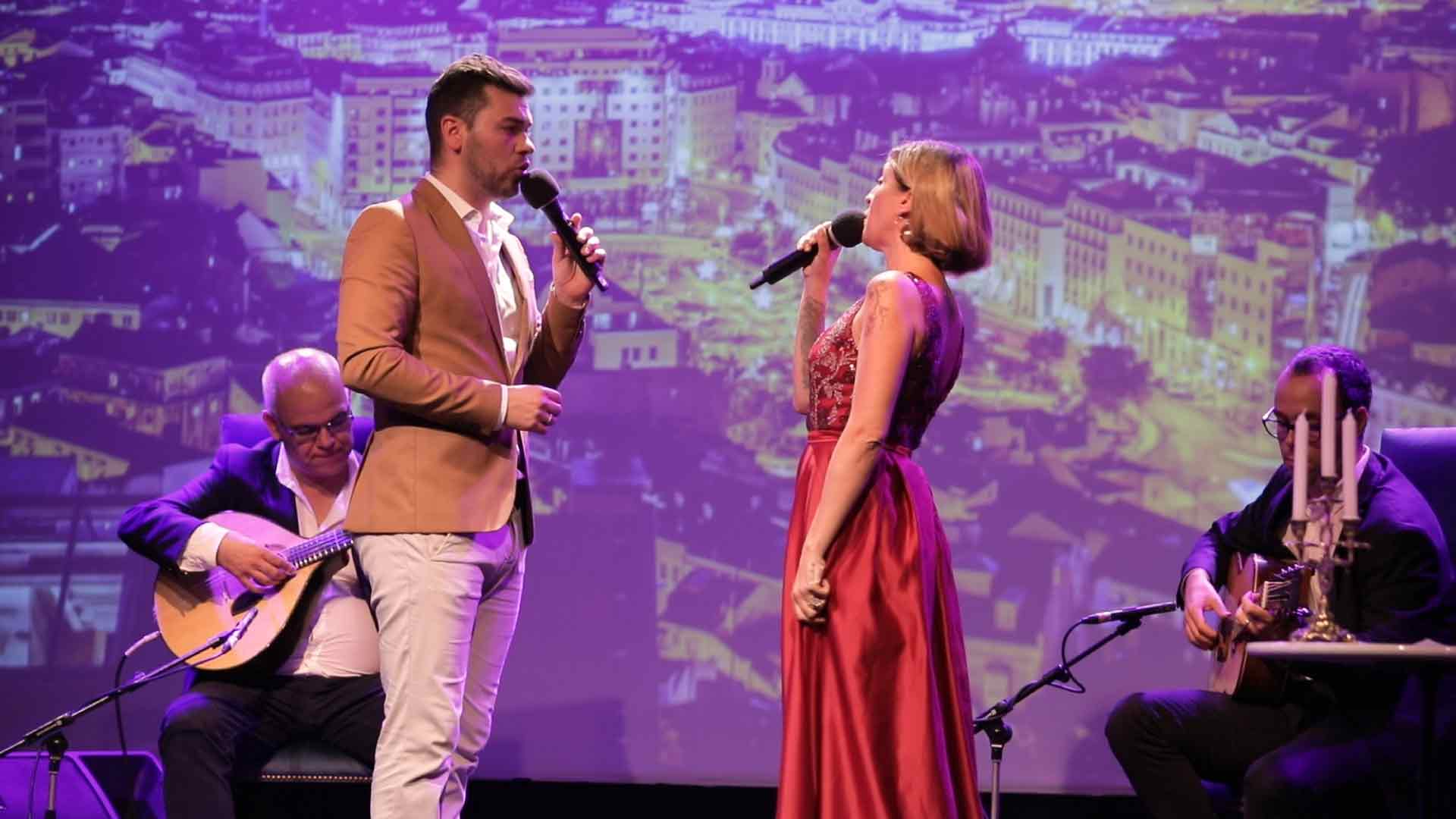
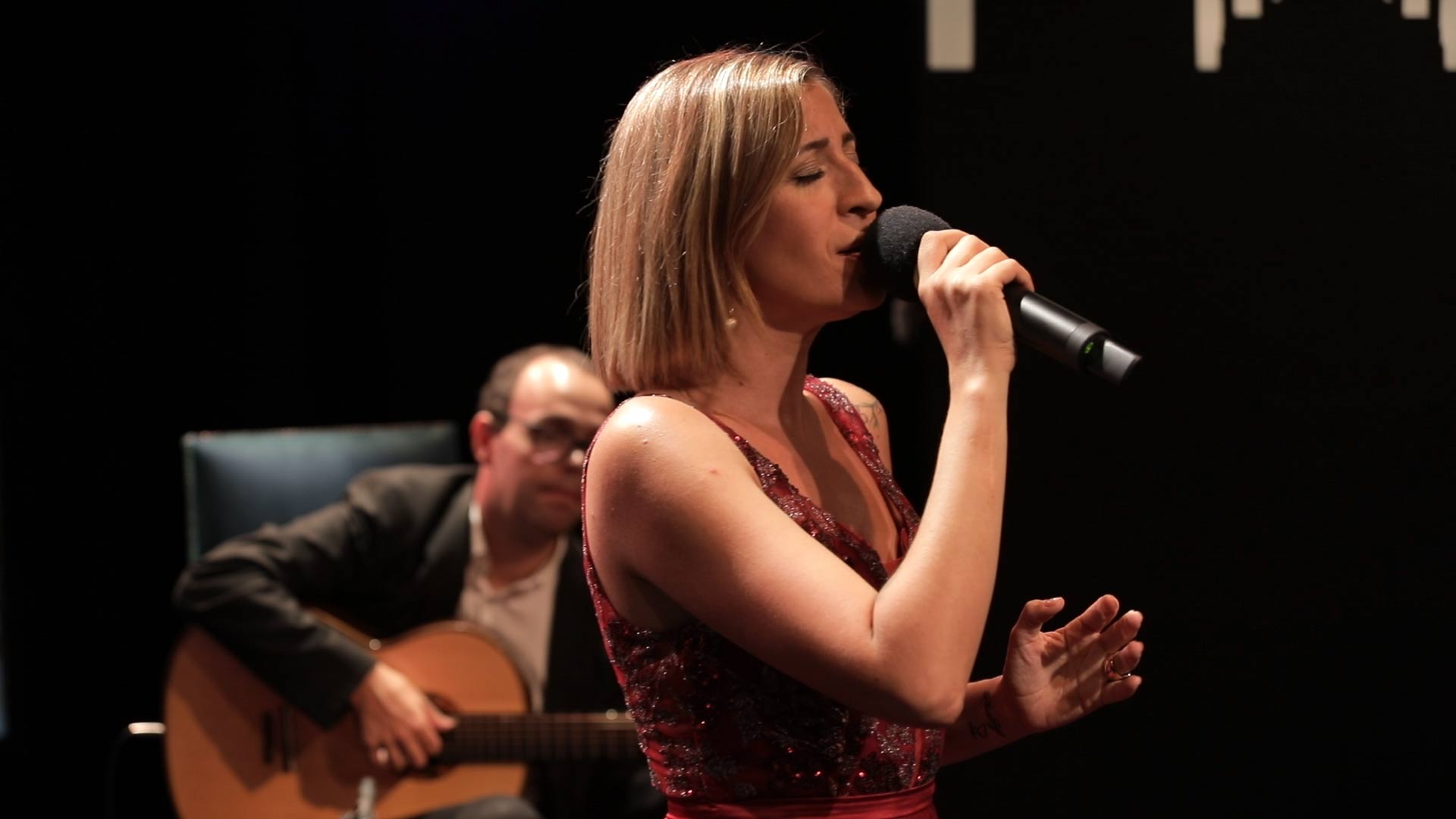
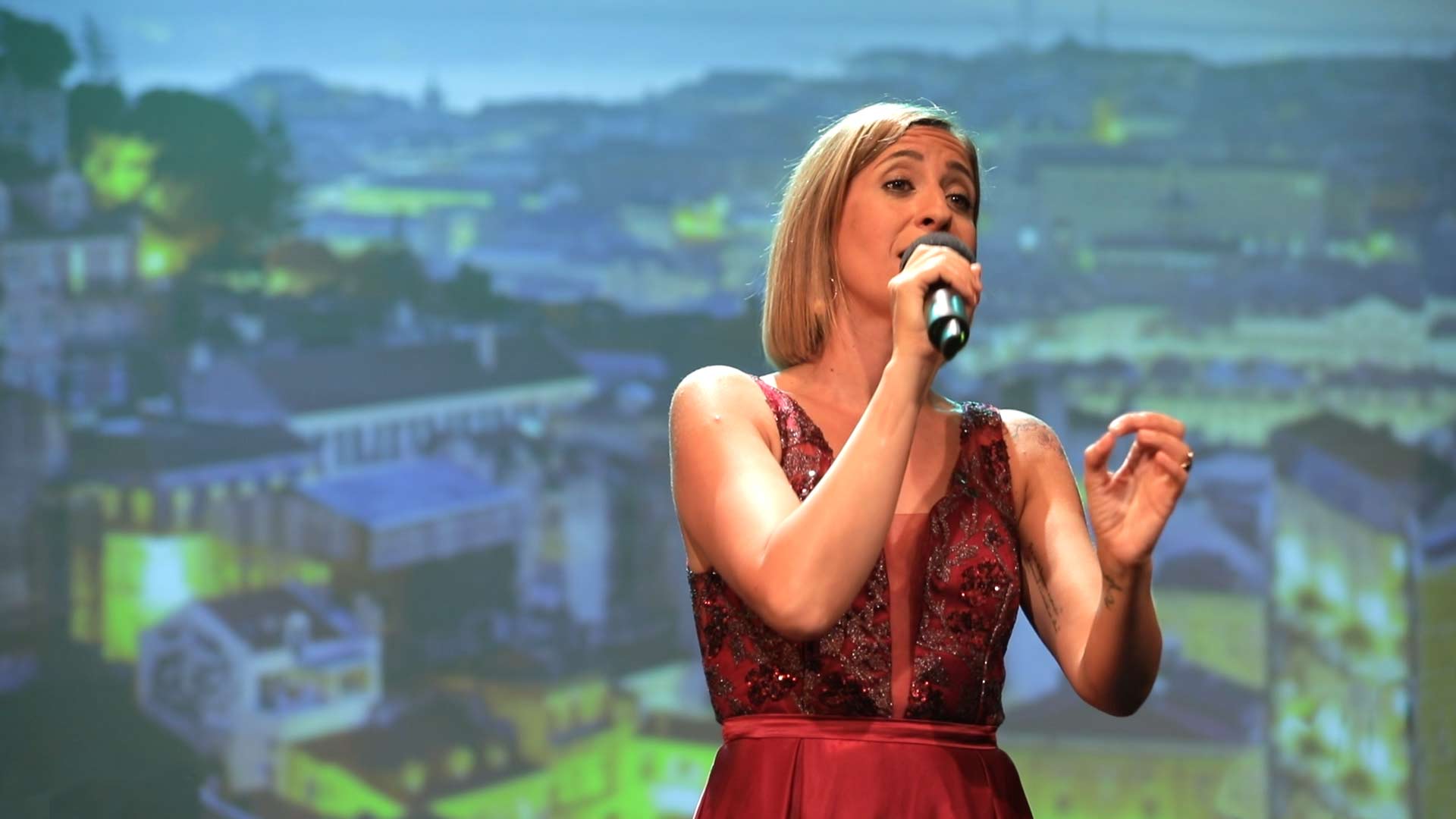
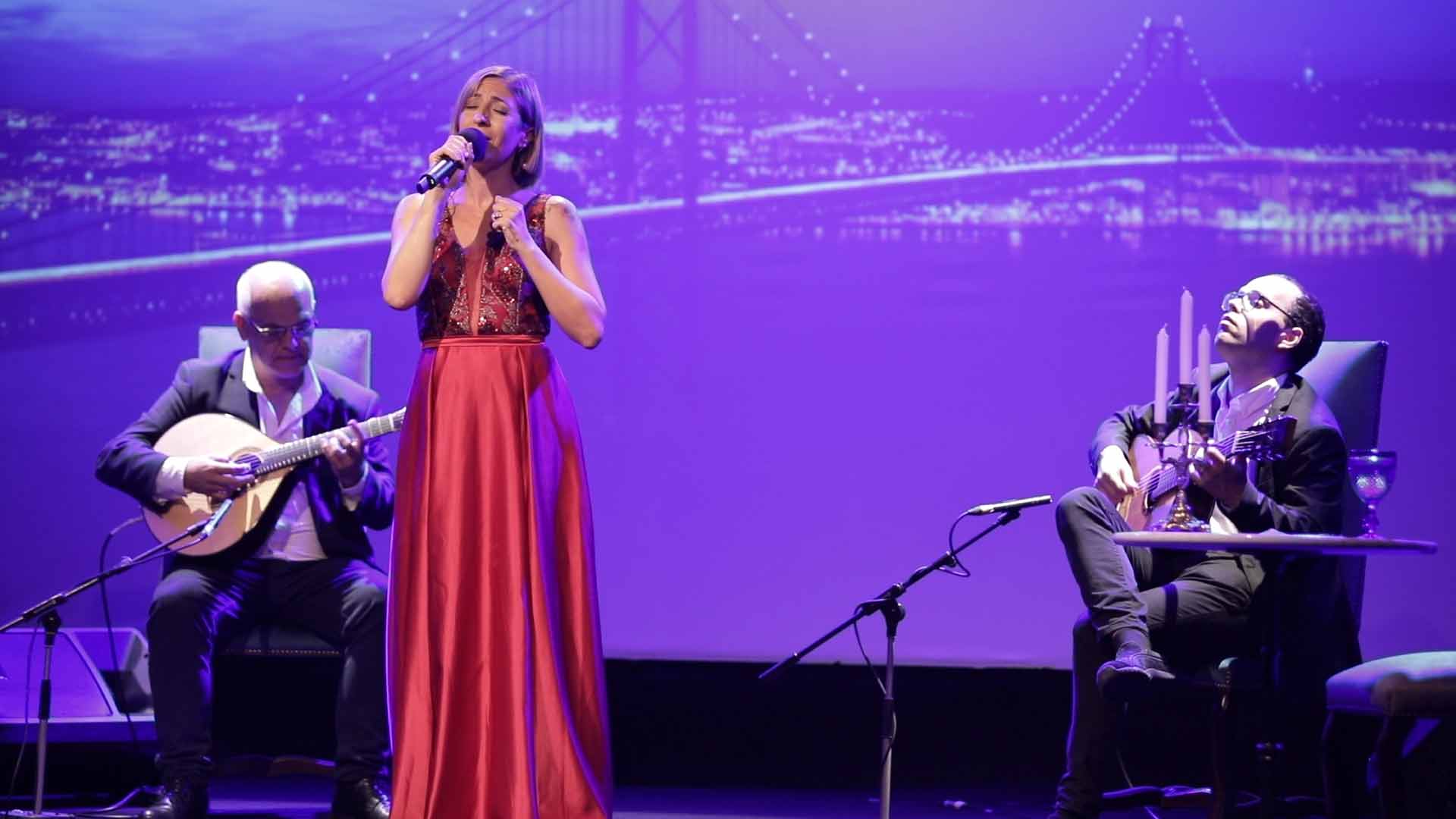
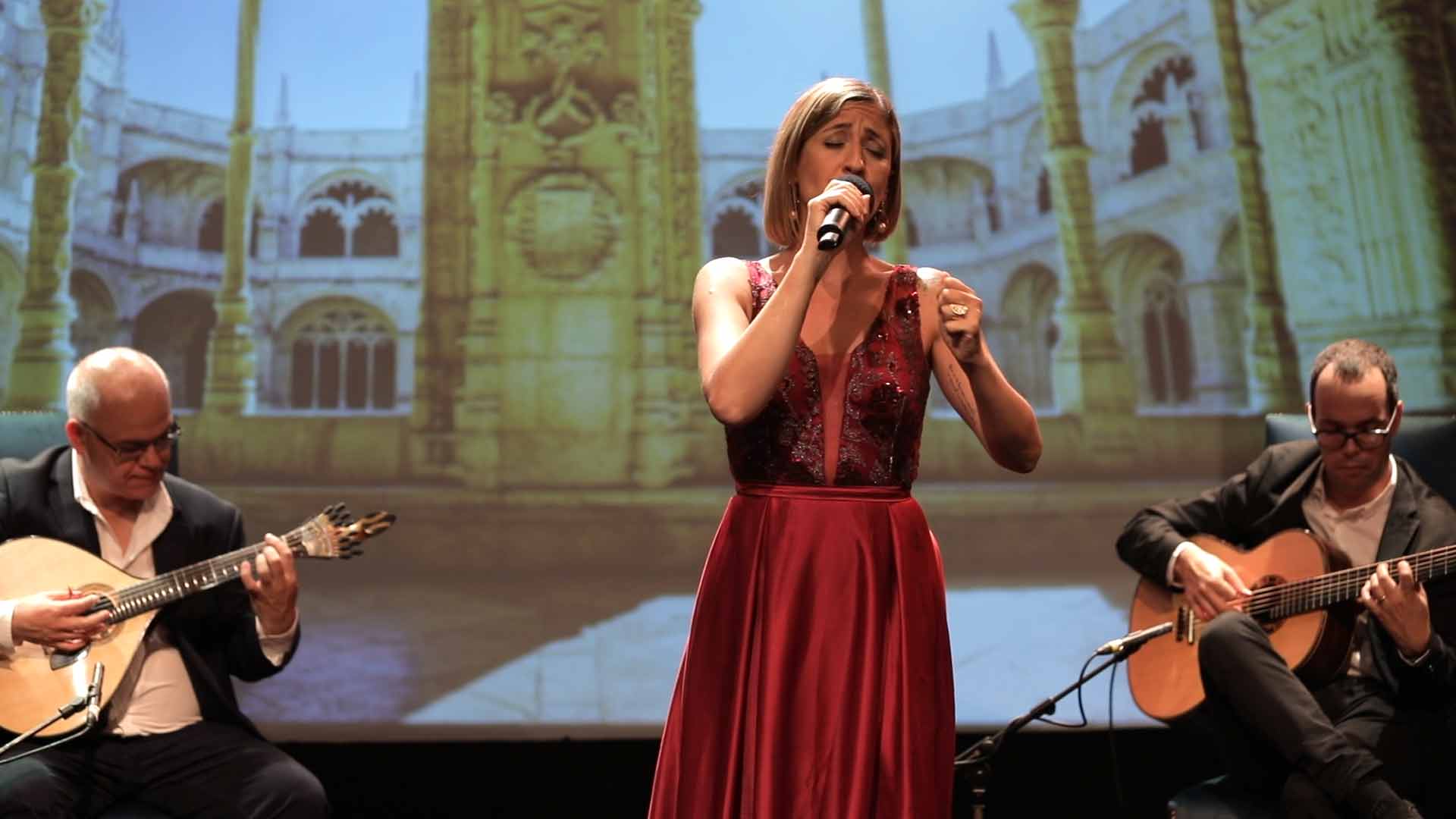
Com 16 anos de existência, o “Fado in Chiado”, ou no meio digital “Fado in Lisbon”, foi pioneiro em apresentar, ao vivo, diariamente, ao final da tarde, um show de Fado tradicional, acompanhado à guitarra e à viola, com duas vozes, uma feminina e outra masculina.
Podemos afirmar convictamente que o Fado tem dimensão nacional, mas não é menos verdade referir que Lisboa tem uma ligação especial com esta forma de comunicar.
O fado é indissociável da guitarra portuguesa, da viola de fado, dos poemas e das vozes. É nesta mistura, é neste encontro, é nesta dependência, que a arte acontece e o fado vive.
Os grandes poetas portugueses, quase todos, já foram cantados pelas grandes vozes nacionais. De Camões a Fernando Pessoa, de Sofia de Mello Breyner a Pedro Homem de Mello, de Alexandre O´Neill a David Mourão Ferreira, de Linhares Barbosa a Manuel Alegre, de Natália Correia a Ary dos Santos, de Jaime Santos a Jorge Fernando, e de tantos, e tantos outros.
Os poetas, ao longos dos anos, têm escrito e contado histórias que nos reportam para diferentes épocas, momentos, espaços e “vidas”, criando no nosso imaginário saudades nostálgicas, recordações alegres e sensações intemporais.
Os instrumentistas são músicos que partilham as emoções através do dedilhar das guitarras e das violas, dialogando com as vozes e criando uma cumplicidade que, no Fado, se transforma numa experiência auditiva e visual ímpar.
São muitos os guitarras e violas que se tem destacado nesta arte, de Armandinho a António Chainho, de Fontes Rocha a Mário Pacheco, de Joel Pina a Luís Guerreiro, de Alcino Frazão a António Parreira, de Carlos Gonçalves a Ricardo Rocha, de Fernando Silva a Ângelo Freire, de António Portugal a João Silva e muitos mais. Os virtuosos destes instrumentos, têm nas suas carreiras, parcerias com os grandes interpretes do Fado, mas também, obras instrumentais em nome próprio, ou mesmo, a autoria musical de muitos temas com enorme sucesso.
Se é verdade que para o exterior o Fado é muitas vezes associado a vozes femininas, não é menos verdade, que são muitos os nomes masculinos, que construíram grandes carreiras, nacionais e internacionais, a cantar Fado, ou que nas seus percursos artísticos, incluíram este estilo musical, de Alfredo Marceneiro a Artur Ribeiro, de António Menano a António dos Santos, de António Rocha a António Mourão, de Artur Ribeiro a Vicente da Câmara, de Vasco Rafael a Artur Batalha, de Carlos do Carmo a Camané, de Carlos Ramos a Carlos Zel, de Manuel de Almeida a Fernando Farinha, de Marco Rodrigues a André Vaz, de Max a Fernando Mauricio, de Filipe Pinto a José da Câmara, de Francisco José a Hélder Moutinho, de Gonçalo Salgueiro a João Braga, de João Ferreira Rosa a Nuno de Aguiar, de Nuno da Câmara Pereira a Pedro Moutinho, de Rodrigo Costa Félix a Miguel Capucho, de Rodrigo a Ricardo Ribeiro, de Tony de Matos a Tristão da Silva, de António Zambujo a Paulo de Carvalho, e tantos mais.
Timbres diferentes, interpretações personalizadas, posturas diferenciadoras, épocas e personalidades disparas, mas todos eles, cantando e contando, o que os poetas, através das palavras, pensaram e escreveram.
Falemos então das vozes femininas associadas ao Fado, podendo sempre começar pela a lenda “Severa”, uma mulher que ficou na história, por ter sido pioneira a cantar o amor, o sofrimento, a tristeza, a alegria, se quisermos a “falar-nos” da vida, através do Fado.
E claro que ao falarmos de Fado, de dimensão mundial, de voz feminina, de inovação e de irreverência poética, chegamos à maior entre os maiores, para onde todos os holofotes apontam, Amália Rodrigues.
A artista portuguesa com maior notoriedade internacional, com uma carreira ímpar e com um percurso inultrapassável, Amália foi e será a maior fadista de todos os tempos. Com ela, o Fado abriu as portas das mais importantes salas do mundo. Amália Rodrigues ombreou com os maiores e mais populares cantores internacionais da época, como Charles Aznavour, Frank Sinatra, Julio Iglésias, Edith Piaff, Lola Flores, Juliette Greco, Rita Pavone, Cliff Richard, Gilbert Bécaud, Joe Dolan, Connie Francis, e tantos outros.
Amália Rodrigues, durante décadas, fez dezenas de digressões mundiais, e cantou nas principais cidades do mundo, nos cinco continentes, e divulgou o que de mais genuíno tinha e tem a cultura Portuguesa. De Madrid a Buenos Aires, de Paris ao Rio de Janeiro, de Berlim a Roma, de Tóquio a Nova York, foram muitas as capitais do planeta que receberam Amália, e que a aplaudiram de pé.
Amália cantou e gravou em diferentes idiomas para além da sua língua nativa. Fez diferentes apresentações nos principais canais de televisão da época, como a TVE, RAI, FRANCE 2, TV GLOBO, CANAL 13, BBC, TV Galiza, TV Newark USA, NBC, CBS entre muitos outros.
A voz Portuguesa foi homenageada por diversas vezes, em Portugal e no mundo, recebendo o reconhecimento institucional de diferentes instituições e entidades, por exemplo:
• A 16 de Julho de 1958 é feita Dama da Ordem Militar de Sant'Iago da Espada. A distinção é entregue por Marcelo Caetano na Feira Internacional de Bruxelas.
• Em 1970 é feita Dama (Chevalier) da Ordre des Arts et des Lettres, de França.
• A 16 de Fevereiro de 1971 é elevada a Oficial da Ordem Militar de Sant'Iago da Espada.
• Também em 1971 recebeu a Ordem Nacional dos Cedros do Líbano.
• A 9 de Abril de 1981 é feita Grande-Oficial da Ordem do Infante D. Henrique.
• Em 1985 é elevada ao grau de Comendadora (Commandeur) da Ordre des Arts et des Lettres, de França entregue por Jack Lang, Ministro da Cultura.
• A 4 de Janeiro de 1990 é elevada a Grã-Cruz da Ordem Militar de Sant'Iago da Espada, entregue no Coliseu dos Recreios por Mário Soares.
• Também em 1990 recebeu o grau de Grã-Cruz da Ordem de Isabel a Católica.
• Em 1991 recebeu o grau de Dama (Chevalier) da Légion d'honneur de França, entregue pelo Presidente Mitterrand.
• A 27 de Julho de 1998 é elevada a Grã-Cruz da Ordem do Infante D. Henrique.
Continuando a falar das vozes femininas do Fado existem outras grandes fadistas que construíram e constroem carreiras de grande mediatismo e sucesso. De Mariza a Berta Cardoso, de Ana Moura a Anita Guerreiro, de Ada de Castro a Ana Sofia Varela, de Alexandra a Aldina Duarte, de Argentina Santos a Beatriz da Conceição, de Celeste Rodrigues a Carminho, de Cidália Moreira a Cristina Branco, de Cuca Roseta a Deolinda Rodrigues, de Dulce Pontes a Ercília Costa, de Fernanda Maria a Fábia Rebordão, de Fernanda Baptista a Fernanda Peres, de Florência a Gisela João, de Helena Tavares a Rute Soares, de Hermínia Silvia a Lenita Gentil, de Mafalda Arnouth a Joana Amendoeira, de Lucília do Carmo a Katia Guerreiro, de Maria Albertina a Maria Amélia Proença, de Maria Armanda a Maria Ana Bobone, de Maria Clara a Maria da Fé, de Maria da Nazaré a Maria de Lurdes Resende, de Maria Teresa de Noronha a Maria Valejo, de Mísia a Natércia Maria, de Teresa Siqueira a Raquel Tavares, de Teresa Tapadas a Sandra Correia, de Teresa Tarouca a Yolanda Soares, de Anabela a Ana Pinhal e tantas outras vozes.
É neste enquadramento histórico, cultural, social e humano, que o Fado se tem enquadrado na cultura Portuguesa, e na música do mundo. É também com o propósito de continuar a mostrar a quem visita Lisboa, percorre o Chiado, e descobre os monumentos da cidade das sete colinas, que o “Fado in Chiado”, apresenta os sons e as vozes, que partilham as emoções, de quem canta a alma de fado no chiado, um povo, e grita as emoções de uma nação, que gosta de sentir saudade!
Este estilo lusitano de interpretar, segundo os historiadores, surge a meio do século XIX, em zonas pobres, onde muitas vezes, servia de transmissor a notícias locais, ou seja, os fadistas cantavam os fados com letras que refletiam o dia a dia dos diferentes bairros. Posteriormente ampliou o seu círculo, até que nos finais do século XIX, início do século XX, já é cantado em tabernas e casas de past, frequentadas por diferentes classes sociais da altura, tornando-se a certo momento, a chamada “canção nacional”, porque exprimia muitas das vezes, o que de melhor e pior sentia o povo Português nessa época. Diz-se que o fado é também um encontro de culturas, onde a influência africana e árabe estão presentes.
O cinema Português, nas suas diferentes bandas sonoras, coloca muitas vezes o fado como elemento predominante, e permite a alguns artistas consolidarem as suas carreiras. Exemplo disso são obras cinematográficas, como: “Os amantes do Tejo”; “A Severa”; “Sol e Toiros”; “História de uma cantadeira”; “Cantiga da Rua” ou “O Costa do Castelo”.
No início do século XX passaram a existir novas plataformas de divulgação cultural e o Fado foi um dos conteúdos que mais beneficiou, em concreto, o teatro de revista, onde surgem grandes nomes fadistas, e onde nascem grandes sucessos que ficaram para a história. É também por esta altura, que surgem os primeiros fadistas profissionais, e com eles, a divulgação do Fado pelo resto do País. Não deixa de ser interessante referir que no Parque Mayer aconteceram grandes e profundos momentos de Fado, seja em formato tradicional, seja no modo, “fado canção”, expressão usada quando os artistas se faziam acompanhar por pequenas orquestras.
Portugal e o Fado são reflexo de uma mesma identidade, de uma nação com 900 anos de história, onde o mar tem servido de espelho a um povo que conquistou, e que se tem deixado conquistar, por diferentes culturas e formas de viver. Um povo que canta o seu destino, ao sabor das cordas de uma guitarra, e nas vozes de quem, através da alma, exprime o que o passado lhe contou e o futuro inspira!


 15E, 28E, 711, 714, 728, 736
 Linha azul, Linha verde
Pç. Luis Camões (B. Alto) 3 min
Calhariz (Bica) 4 min
Bica - Lg. Calhariz 5 min
Glória - S. Pedro Alcântara 5 min
Sta. Justa - Lg. Carmo 5 min